
What to Do in Rio de Janeiro: Complete Guide with Itineraries, Beaches, Museums and Experiences
Rio de Janeiro is not a city you understand in one day. Nor in two. And much less by only visiting Christ the Redeemer or taking a photo in Copacabana.
Rio is multifaceted, intense, and full of layers. It is nature mixed with metropolis, trails with cinematic views, world-famous beaches, vibrant popular culture, and a food scene that keeps growing.
But here is the truth: without planning, you waste time, money, and miss out on the best the city has to offer.
👉 Before building your itinerary, it is also worth checking out:
- Complete guide: what to do in Rio de Janeiro
- Day-by-day itinerary in Rio
- Where to stay in Rio de Janeiro
- How much it costs to travel to Rio
- Safety in Rio de Janeiro
- How to use transportation safely in Rio
In this complete guide to Rio de Janeiro, you will find everything that really matters to build a strategic trip: beaches, classic tourist attractions, off-the-beaten-path experiences, culture, museums, gastronomy, ready-made itineraries, real costs, and practical tips that truly make a difference.
If you want to travel better, save money, and avoid common mistakes, this is the definitive guide to planning your trip to Rio.
Quick Summary: What to Do in Rio de Janeiro
| Ideal trip length | 4 to 6 days |
| Best time to visit | May to October |
| City profile | Nature + urban + culture |
| Main regions | South Zone, Center, Barra |
| Planning level | Essential |
Overview of Rio de Janeiro
Rio is divided into regions with different dynamics and distinct experiences.
- South Zone: Copacabana, Ipanema, Leblon, and Botafogo concentrate a large part of tourism.
- Center: where the history, museums, and colonial architecture are.
- North Zone: authentic culture, stadiums, and authentic experiences.
- Barra da Tijuca: long beaches and a more modern profile.
Before deciding what to do, it is important to understand where to stay:
Where to Stay in Rio de Janeiro
Beaches of Rio de Janeiro
The beaches are a central part of the Rio experience. However, each one has a different profile, different infrastructure, and a different crowd.
Complete and detailed guide:
Copacabana
The most famous beach in Brazil. Ideal for a first visit, easy access, and a wide range of hotels.
Ipanema
More organized, with a sophisticated atmosphere and one of the most famous sunsets in the world.
Beaches for families
Family-friendly beaches in Rio
Beaches for surfing
Beaches near the subway
Beaches to watch the sunset
Beaches with good kiosks
Safe vs. dangerous beaches
South Zone: beyond the beaches
The South Zone is not just sand and sea. It is where some of the city’s main tourist attractions are located.
- Christ the Redeemer
- Sugarloaf Mountain
- Rodrigo de Freitas Lagoon
- Urca Hill
To build a complete day-by-day itinerary:
Historic and Cultural Center of Rio
Downtown Rio de Janeiro is where the city began. Walking through this region means understanding the historical layers that shaped Rio: the colonial period, empire, republic, and contemporary urban revitalization.
Although many tourists stay only in the South Zone, including the Center in your itinerary completely transforms the travel experience.
Port Area and Olympic Boulevard
The revitalization of the port area changed the city’s cultural landscape. Today, the Olympic Boulevard concentrates museums, murals, and cultural spaces.
- Museum of Tomorrow
- AquaRio
- Ethnicities Mural (Eduardo Kobra)
- Yup Star Ferris Wheel
To better understand what to do in this area:
If you want to know how much the gastronomic experience in the building costs:
How much it costs to eat at the Touring Building
Selarón Steps
Connecting Lapa to Santa Teresa, the Selarón Steps are one of the most photographed spots in the city. The visit is quick, but it yields great pictures.
Lapa Arches
An old colonial aqueduct, today it is a symbol of Rio’s bohemian life.
Municipal Theater
One of the most imposing buildings in Brazil, inspired by the Paris Opera. Even if you are not going to watch a performance, the guided tour is worth it.
What to Do in Rio de Janeiro: Museums and Culture
Rio is much more cultural than many imagine. Beyond the beaches, there is a solid network of museums, cultural centers, and historic spaces.
Flamengo Museum
For soccer fans, it is an interesting experience.
Museum of Art of Rio (MAR)
Located in the port area, it connects contemporary art with the city’s social history.
Eva Klabin House Museum
An impressive private collection right by the Lagoon.
Casa Firjan
Cultural center with a garden and interesting programming.
Bhering Factory
Creative space with studios and exhibitions.
Off-the-Beaten-Path Experiences
Those who already know the classic attractions can explore a less predictable Rio.
Check out 7 alternative experiences:
Luderia Carioca
A space to play, relax, and enjoy something different from the traditional itinerary.
Gávea Municipal Natural Park
A green refuge within the city.
Maracanã
Even those who are not passionate about soccer understand the symbolic importance of Maracanã for Brazilian culture.
Visiting the stadium is an experience that connects sports and history.
Bohemian Life and Lapa
Lapa is known for its bars and intense nightlife.
If you want to explore traditional bars:
Some interesting gastronomic experiences:
Culture in Rio de Janeiro: far beyond the beaches
Rio de Janeiro is often sold as a beach and scenery destination. But the city is also one of the most relevant cultural centers in Brazil. Musical movements, popular manifestations, historic samba schools, great museums, and creative spaces were born here, helping shape Rio’s identity.
Including culture in your itinerary transforms the trip. You stop being just a spectator of the landscape and start understanding the city.
Must-see museums in Rio de Janeiro
Rio brings together museums ranging from classical art to futuristic science. Many are concentrated in the Center and the South Zone, making them easy to fit into your itinerary.
Museum of Tomorrow
Located in the port area, it is one of the city’s contemporary landmarks. The architecture impresses even before you go inside.
It proposes reflections on sustainability, the future, and technology.
Museum of Art of Rio (MAR)
MAR connects contemporary art with the city’s social history. The terrace view also deserves special mention.
Eva Klabin House Museum
A surprising private collection, with works spanning centuries and cultures.
Flamengo Museum
For those who like soccer, visiting the museum connects sports and cultural identity.
Cultural centers and creative spaces
In addition to traditional museums, Rio has hybrid spaces that mix art, social interaction, and cultural programming.
Casa Firjan
A historic mansion with exhibitions, events, and a pleasant garden.
Bhering Factory
A former factory turned creative hub with studios and independent exhibitions.
Gávea Municipal Natural Park
A green refuge within the city, little explored by tourists.
Alternative experiences in Rio
If you already know the classic attractions or want to escape the obvious itinerary, Rio offers different and surprising experiences.
See the full list:
7 off-the-beaten-path tours in Rio
Luderia Carioca
A space that mixes board games, gastronomy, and social interaction.
CADEG Municipal Market
More frequented by locals than tourists, it is a gastronomic and cultural experience.
Urban art and Rio identity
Rio has murals and artistic interventions spread throughout the city. The greatest example is the Ethnicities Mural, in the port area.
But urban art is also present in Lapa, Santa Teresa, and in less touristy neighborhoods.
Santa Teresa
A bohemian neighborhood with studios, restaurants, and an artistic atmosphere. Ideal for those seeking a more charming and less beach-focused Rio.
Cultural events throughout the year
Rio does not live on Carnival alone. Throughout the year there are:
- Rio Festival (film)
- Book Biennial
- International concerts
- Gastronomic events
If your trip coincides with major events, it is worth planning accommodation in advance:
How to fit culture into your itinerary
| Nature profile | Museum of Tomorrow + MAR + walk along the Olympic Boulevard |
| History profile | Center + Municipal Theater + Eva Klabin House |
| Alternative profile | Bhering Factory + Santa Teresa + Luderia |
Food in Rio de Janeiro: where and how to eat well
Eating in Rio is not just a travel necessity. It is part of the cultural experience. The city mixes Portuguese tradition, African influence, fresh seafood, authentic boteco culture, and high-end signature cuisine.
If you want a complete and segmented guide, also see:
Strategic food neighborhoods
Ipanema
Ipanema combines sophisticated restaurants with a laid-back atmosphere. Ideal for dinner after the beach or for a more special night out.
Botafogo
One of the most interesting hubs in the current gastronomic scene.
Center and Port Area
A good option to combine cultural sightseeing with gastronomy.
Restaurants by traveler profile
| Budget profile | Botecos and municipal markets (CADEG) |
| Mid-range profile | Artisanal pizzerias and gastro bars |
| Premium profile | Restaurants with a view or signature menus |
If you want to understand real costs:
How much it costs to eat in Rio
Botecos and bohemian culture
Botecos are part of Rio’s identity. They are places to eat well, drink slowly, and talk.
Lapa concentrates part of this atmosphere, especially at night.
Gastronomic experiences with a view
Some restaurants offer not only food, but scenery.
These experiences usually require advance reservations, especially in high season.
Nightlife in Rio de Janeiro
Rio does not go to sleep early. But nightlife varies a lot by region.
Lapa
More popular, with bars and live music.
Ipanema and Leblon
A more sophisticated atmosphere, smaller bars, and lively restaurants.
Botafogo
Alternative and youthful scene.
How to combine gastronomy with your itinerary
| Beach day | Light lunch + special dinner in Ipanema |
| Cultural day | Center + dinner in the Port Area |
| Alternative day | Botafogo + local bars |
To plan your strategic accommodation base:
Ready-made itineraries in Rio de Janeiro
One of the biggest questions for those visiting the city is: how do you organize the days? Rio can be intense and, without planning, you lose time on unnecessary travel.
Below are strategic itineraries by trip length and traveler profile.
2-day itinerary in Rio
Day 1: Christ the Redeemer + Sugarloaf Mountain + sunset in Ipanema.
Day 2: Copacabana Beach + Selarón Steps + dinner in Botafogo.
Detailed guide:
3-day itinerary in Rio
Day 1: Christ the Redeemer + Lage Park + Lagoon.
Day 2: Beach (Copacabana or Ipanema) + special dinner.
Day 3: Museum of Tomorrow + Olympic Boulevard + Lapa.
4-day itinerary in Rio
Day 1: Classic South Zone.
Day 2: Historic center and museums.
Day 3: Beach + easy hike.
Day 4: Alternative experience (Santa Teresa or Bhering Factory).
5-day itinerary in Rio
| Day 1 | Christ the Redeemer + Lage Park + Lagoon |
| Day 2 | Sugarloaf Mountain + Praia Vermelha |
| Day 3 | Beach in Ipanema + sunset |
| Day 4 | Center + Museums |
| Day 5 | Botafogo + special dinner |
7-day itinerary in Rio
With one week you can include day trips.
Day trip options
- Arraial do Cabo
- Búzios
- Petrópolis
If you want to explore more destinations:
First-time itinerary in Rio
- Christ the Redeemer
- Sugarloaf Mountain
- Copacabana
- Ipanema
- Museum of Tomorrow
Complement with:
Romantic itinerary in Rio
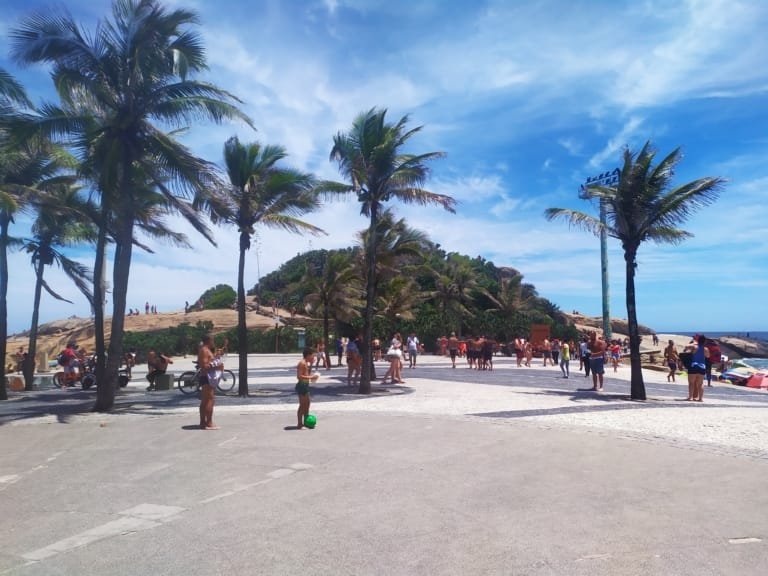
- Sunset at Arpoador
- Dinner with a view
- Walk around the Lagoon
Family itinerary
- Calmer beaches
- AquaRio
- Museum of Tomorrow
See also:
Budget itinerary
- Free cultural events
- Public beaches
- Historic center on foot
To understand real costs:
How much it costs to travel to Rio
Premium itinerary
- Panoramic helicopter
- Restaurant with a view
- VIP box at Sapucaí (during Carnival season)
If your trip is during Carnival season:
How much it costs to travel to Rio de Janeiro
The cost of the trip depends on the profile chosen. Rio can be budget-friendly or premium — it all depends on your choices for accommodation, food, and tours.
| Budget Profile | Simple accommodation + public transportation + free beaches |
| Mid-range Profile | 3- or 4-star hotel + 1 or 2 paid attractions |
| Premium Profile | High-end hotel + exclusive experiences |
See the detailed guide with real prices:
How much it costs to travel to Rio de Janeiro
If you want to understand food expenses:
How much it costs to eat in Rio
Transportation in Rio de Janeiro
Choosing the right transportation affects time, safety, and cost.
Subway
Most efficient for getting around between the South Zone and the Center.
Ride-hailing apps
They work well, but prices can vary during peak hours.
Complete guide:
Public transportation and safety:
How to use public transportation safely
Leaving the airport:
Safety in Rio de Janeiro
Rio requires attention, but not paranoia. Most tourists visit the city without problems, as long as they follow basic guidance.
- Avoid showing off valuables
- Use reliable transportation
- Do not walk through unfamiliar areas at night
- Stay alert in crowded places
Complete and detailed guide:
Is it worth visiting Rio de Janeiro?
Yes. Few cities in the world combine lush nature, urban life, culture, and gastronomy so intensely.
Rio is not perfect. But it is unique. And when well planned, it delivers one of the most complete experiences in Brazil.
Common mistakes when planning a trip to Rio
- Underestimating travel times
- Booking accommodation far from the main itinerary
- Ignoring financial planning
- Not considering weather and time of year
- Trying to do everything in two days
❓ Frequently asked questions about Rio de Janeiro (Updated Guide 2026)
How many days are ideal to get to know Rio de Janeiro?
Ideally, you should stay between 4 and 6 days. This gives you enough time to see the main tourist attractions, enjoy the beaches, include cultural experiences, and still follow the itinerary at a relaxed pace.
What is the best time to visit Rio de Janeiro?
The best time is between May and October, when the weather is drier and more pleasant. Summer (December to March) has hotter days and a greater chance of rain, in addition to higher prices.
Is Rio de Janeiro safe for tourists?
Yes, as long as you follow basic precautions. Avoid showing off valuables, prefer tourist areas, use reliable transportation, and stay alert in busy places.
👉 See the complete guide: Safety in Rio de Janeiro
Where is the best place to stay in Rio de Janeiro?
The South Zone is the best region for tourists, especially Copacabana, Ipanema, and Leblon. These areas have good infrastructure, safety, and easy access to the main tourist attractions.
👉 See where to stay: Where to stay in Rio de Janeiro
Do I need to rent a car in Rio de Janeiro?
It is not necessary. The subway, apps like Uber, and public transportation serve most tourist itineraries well.
👉 Understand better: Uber in Rio de Janeiro
How much does it cost to travel to Rio de Janeiro?
The cost varies a lot, but on average:
- Budget: R$ 250 to R$ 400 per day
- Mid-range: R$ 400 to R$ 800 per day
- Comfort: R$ 800 to R$ 1,500 per day
- Luxury: R$ 1,500+
👉 See the complete guide: How much it costs to travel to Rio
What are the main tourist attractions in Rio?
The main ones are:
- Christ the Redeemer
- Sugarloaf Mountain
- Copacabana Beach
- Ipanema Beach
- Museum of Tomorrow
- Rodrigo de Freitas Lagoon
Is it worth visiting Rio de Janeiro for the first time?
Yes. Rio is one of the most complete destinations in Brazil, with nature, culture, gastronomy, and unique experiences.
How do you build an efficient itinerary in Rio?
The best way is to organize your days by region (South Zone, Center, Barra), avoiding long travel times and making better use of each day.
👉 See the complete itinerary: Rio de Janeiro itinerary
What not to do in Rio de Janeiro?
Avoid:
- Walking with your phone exposed in busy areas
- Staying in poorly located accommodations
- Trying to do everything in a few days
- Ignoring planning
🎯 Is it worth visiting Rio de Janeiro?
Yes — and it is no exaggeration to say that it is one of the most complete destinations in the world.
Rio de Janeiro delivers a rare combination: iconic landscapes, authentic cultural experiences, diverse gastronomy, and an energy that few cities have.
But the difference between an ordinary trip and an unforgettable one lies in planning.
When you understand where to stay, how to get around, how to build the itinerary, and how to avoid common mistakes, Rio stops being just beautiful — and becomes a complete experience.
Plan well, choose the right regions, and experience the best of the city.
🎒 Plan your trip with discounts and strategy
To organize your trip safely and save money for real, I always use these tools that I have already tested and recommend:
👉 See all updated discounts here
📲 Join our WhatsApp channel and receive exclusive deals and tips
🌍 Access our organized content and links:
Traveling well is not luck. It is planning.
Save this guide and use it as a reference for your next trip.
About The Author