
Buenos Aires: Complete Guide to Planning Your Trip (Itinerary, Costs and Where to Stay)
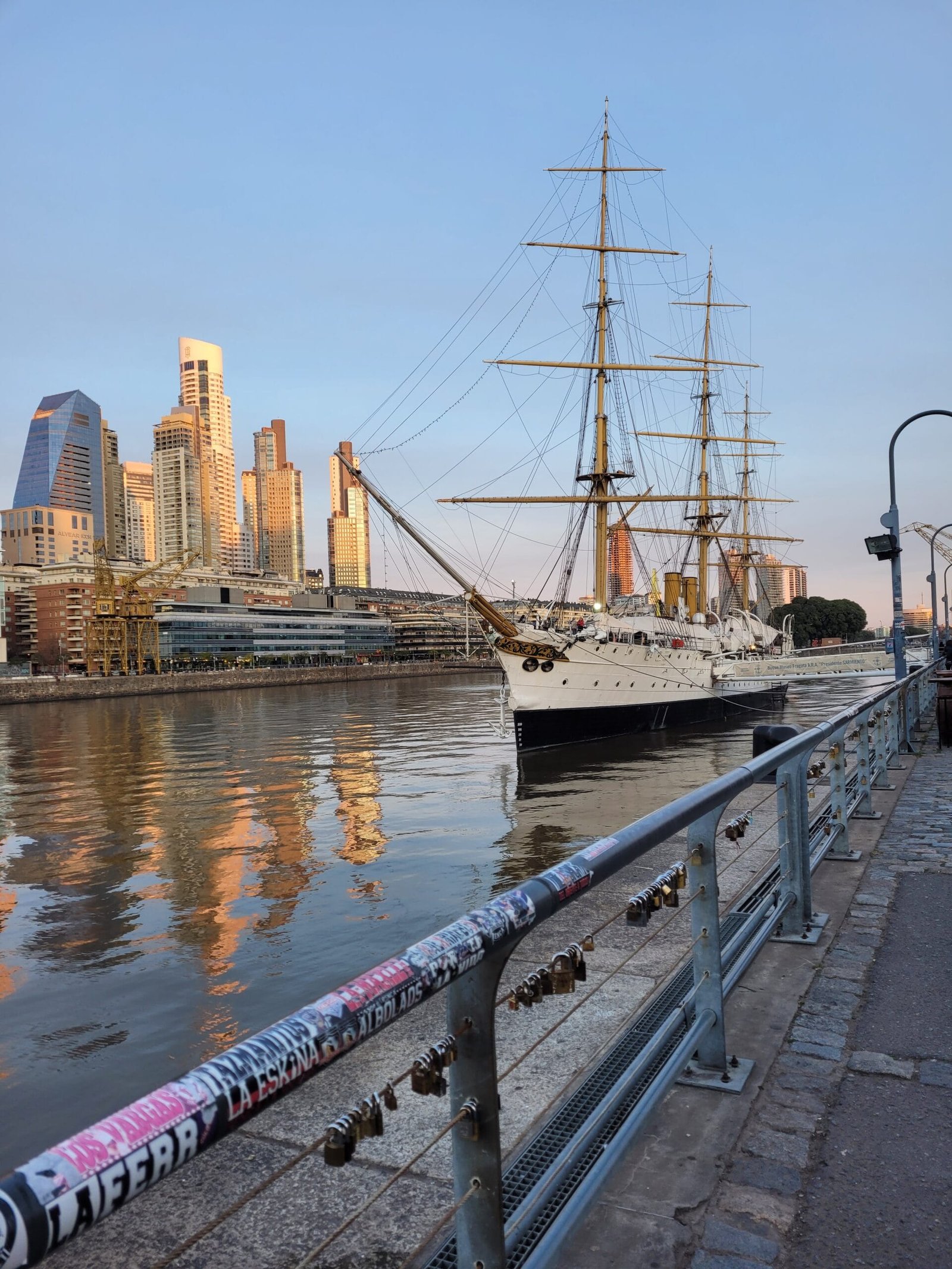
Buenos Aires is one of the most accessible and interesting international destinations for Brazilians. Close to Brazil, culturally rich, and full of personality, Argentina’s capital blends European architecture, historic cafés, tango, vibrant neighborhoods, and one of the best food scenes in South America.
In addition, with good planning, it is possible to take a complete trip spending less than on many domestic destinations.
👉 Before getting started, it’s also worth checking out:
- International destinations: complete guide
- How to plan an international trip
- Miles and airfare
- How much it costs to travel the world
In this complete guide to Buenos Aires, you’ll find everything you need to organize your trip without mistakes: where it is, how to get there, the best time to go, what to do by neighborhood, a day-by-day itinerary, where to stay, how much a trip costs, practical tips, common mistakes, and answers to the main questions.
If you want to travel with planning, save money, and make the most of it, this is the starting point.
📊 Summary Table – Buenos Aires
| Item | Information |
|---|---|
| Best time | Spring and fall (pleasant weather and fewer extremes) |
| Ideal duration | 3 to 5 days |
| Average daily cost | Mid-range, with currency fluctuations |
| Main airports | Ezeiza (international) and Aeroparque |
| Best for | Couples, food lovers, and culture enthusiasts |
Where Buenos Aires Is Located
Buenos Aires is the capital of Argentina, located on the shores of the Río de la Plata. It is one of the main cultural and economic centers of South America and is easily accessible from Brazil.
If you’re comparing destinations in the region, also see our guide to South America, where Buenos Aires appears as one of the most strategic gateways to the continent.
How to Get to Buenos Aires
There are direct flights departing from several Brazilian capitals. The two main airports are:
- Ezeiza (international)
- Aeroparque (regional flights and some international ones)
If you want to save on ticket issuance, check out our guide to Miles and Airfare, which explains how to use points strategically.
When to Go to Buenos Aires
Buenos Aires can be visited year-round, but each season offers a different experience.
Spring (September to November)
Pleasant weather and the city in bloom.
Fall (March to May)
Mild temperatures and fewer tourists.
Summer (December to February)
Intense heat and many Argentinians traveling.
Winter (June to August)
Cold weather, but a charming atmosphere and cozy cafés.
If you’re organizing an international trip, also see How to Plan an International Trip.
🏙️ What to Do in Buenos Aires (Complete Guide by Tourist Areas)
Buenos Aires is a large city, with very different experiences depending on the neighborhood. That’s why the best way to build your itinerary is to organize everything by region.
Strategic tip: this reduces travel time, improves the experience, and avoids one of the most common mistakes made by visitors to the city.
📍 Historic Center (Microcentro and San Nicolás)
This is the most important area in the history of Buenos Aires and the best starting point for understanding the city.
- Plaza de Mayo – historic and political landmark
- Casa Rosada – seat of the Argentine government
- Metropolitan Cathedral – imposing architecture
- Café Tortoni – the city’s most traditional café
- Avenida de Mayo – European architecture
Ideal for: the first day of the trip
Real tip: do this itinerary on foot — everything is relatively close.
🎭 San Telmo (culture + tango + fairs)
San Telmo is one of the most authentic neighborhoods in Buenos Aires.
- San Telmo Fair (Sunday) – antiques and local culture
- San Telmo Market – a great food stop
- Street tango performances
- Historic streets and old architecture
Ideal for: those who want to feel the essence of the city
Tip: go during the day — at night the area gets emptier.
🎨 La Boca (touristy + iconic)
One of the city’s most iconic landmarks.
- Caminito – colorful houses and an artistic atmosphere
- La Bombonera – Boca Juniors stadium
- Open-air tango shows
Important: stay only in the tourist area.
Real tip: visit during the day and combine it with San Telmo.
🌿 Recoleta (elegance + culture)
One of the most sophisticated neighborhoods in Buenos Aires.
- Recoleta Cemetery – where Eva Perón’s tomb is located
- National Museum of Fine Arts
- Floralis Genérica – iconic sculpture
- Charming cafés
Ideal for: calm cultural outings
Tip: combine it with Palermo on the same day.
🌳 Palermo (food + parks + nightlife)
Palermo is the most complete and modern neighborhood in the city.
- Japanese Garden
- Palermo Rose Garden
- Restaurants and bars
- Modern shops and cafés
Important divisions:
- Palermo Soho → trendier
- Palermo Hollywood → food-focused
Ideal for: nightlife + food
👉 See also: Parrilla Don Julio
🌉 Puerto Madero (modern + sophisticated)
The most modern area of Buenos Aires.
- Women’s Bridge
- Sophisticated restaurants
- Ecological Reserve
Ideal for: a special dinner or a sunset stroll
Real tip: go at sunset — the view is incredible.
🛍️ Santa Fe Avenue and Calle Florida (shopping)
- Calle Florida – famous shopping street
- Galerías Pacífico – historic mall
- Santa Fe Avenue – shops and movement
Ideal for: shopping and quick strolls
🎟️ Unmissable Experiences in Buenos Aires
In addition to the neighborhoods, some experiences make all the difference:
- Traditional tango show
- Dinner at an Argentine parrilla
- Food tour
- Historic cafés
👉 See tours and experiences in Buenos Aires
🧠 Strategic tip (expert level)
The biggest mistake in Buenos Aires is trying to do everything mixed together on the same day.
Organize your itinerary by region — this saves time and improves the experience A LOT.
🎯 Practical summary
Puerto Madero → sophisticated
Center → history
San Telmo → culture
La Boca → touristy
Recoleta → elegant
Palermo → modern
Ready itinerary – 4 days in Buenos Aires
Day 1 – Historic Center
- Casa Rosada
- Plaza de Mayo
- Café Tortoni
Day 2 – Recoleta and Palermo
- Recoleta Cemetery
- Museum of Fine Arts
- Japanese Garden
Day 3 – La Boca and San Telmo
- Caminito
- San Telmo Fair
Day 4 – Puerto Madero
- Women’s Bridge
- Ecological Reserve
🏨 Where to Stay in Buenos Aires (Best neighborhoods + recommended hotels)
Choosing where to stay in Buenos Aires makes all the difference in your experience. The city is large and each neighborhood offers a different travel style.
Strategic tip: staying in a well-located area reduces travel time, improves the itinerary, and avoids unnecessary transportation costs.
👉 Also see our complete guide: Where to stay (accommodation hub)
🌿 Recoleta (elegant and well located)
Recoleta is one of the best neighborhoods for tourists — safe, beautiful, and with a great location.
- Close to the main tourist attractions
- Many cafés and restaurants
- A quieter area
Ideal for: couples and a first trip
🏨 Recommended hotels in Recoleta
- Alvear Palace Hotel (absolute luxury)
- Arc Recoleta Boutique Hotel (excellent value for money)
- Up Recoleta Hotel (budget-friendly and well located)
👉 See hotels in Recoleta
🌳 Palermo (modern and vibrant)
Palermo is the most modern and complete neighborhood in the city, perfect for those who like food and nightlife.
- Best restaurants and bars
- Young and lively area
- Parks and green areas
Divisions:
- Palermo Soho → trendier
- Palermo Hollywood → more food-focused
Ideal for: young travelers, couples, and those who enjoy going out at night
🏨 Recommended hotels in Palermo
- Pleno Palermo Soho (modern and highly rated)
- Be Hollywood Hotel (great value for money)
- Selina Palermo (young and budget-friendly vibe)
👉 See hotels in Palermo
🏙️ Downtown (budget-friendly and practical)
Downtown is the best option for those who want to save money and stay close to the main attractions.
- Close to everything
- Good selection of hotels
- Easy access to transportation
Ideal for: budget and short trips
Attention: it can be busier and less charming at night.
🏨 Recommended hotels in Downtown
- NH Buenos Aires City (great location)
- Broadway Hotel & Suites (good value for money)
- Ibis Buenos Aires (budget-friendly and reliable)
👉 See hotels in Downtown
🌉 Puerto Madero (modern and sophisticated)
Puerto Madero is the most modern and luxurious neighborhood in Buenos Aires.
- Sophisticated restaurants
- Organized and safe area
- Beautiful river view
Ideal for: those seeking comfort and luxury
Point of attention: less spontaneous nightlife compared to Palermo.
🏨 Recommended hotels in Puerto Madero
- Hilton Buenos Aires (luxury and location)
- Alvear Icon Hotel (high-end)
- Faena Hotel (premium experience)
👉 See hotels in Puerto Madero
💰 How much it costs to stay in Buenos Aires
| Budget | R$ 200 to R$ 350 |
| Mid-range | R$ 350 to R$ 700 |
| Comfort | R$ 700 to R$ 1,200 |
| Luxury | R$ 1,500+ |
⚠️ Common mistakes when choosing accommodation
- Choosing only by price
- Staying far from tourist areas
- Ignoring the area’s safety
- Not considering transportation
🎯 Quick summary
- First time → Recoleta
- Nightlife → Palermo
- Budget → Downtown
- Luxury → Puerto Madero
Final tip: if you can, choose Recoleta or Palermo — they are the most balanced areas for most travelers.
How Much It Costs to Travel to Buenos Aires
| Profile | Daily estimate |
|---|---|
| Budget | Simple accommodation + public transportation + basic meals |
| Mid-range | 3-4 star hotel + tourist restaurants |
| Comfort | Premium hotel + food experiences |
To compare with other destinations, check How much it costs to travel the world.
Currency exchange in Argentina: how to pay and save money
One of the biggest questions about Buenos Aires involves currency exchange. Argentina experiences frequent exchange-rate fluctuations, and this can significantly impact the final cost of the trip.
Credit card
It is accepted in most establishments, especially in tourist areas such as Recoleta and Palermo. However, it is important to check the fee applied by the bank.
Cash
Many travelers choose to bring dollars or reais to exchange locally. However, always prioritize official exchange offices and avoid informal exchanges.
What is the best strategy?
Ideally, diversify: use a card for hotels and larger restaurants and keep part in cash for fairs and small establishments.
If you want to better structure your international financial organization, also check How to Plan an International Trip.
Transportation in Buenos Aires
Buenos Aires has good public transportation infrastructure.
Subway (Subte)
Cheap and efficient, ideal for quick trips.
Buses
Wide coverage, but it can be more confusing for tourists.
Uber and apps
They work well and are relatively affordable.
If you like comparing urban logistics, also check our guide to Transportation in Rio de Janeiro to understand differences and strategies.
Is Buenos Aires safe?
In general, Buenos Aires is considered a relatively safe city for tourists, especially in neighborhoods such as Recoleta, Palermo, and Puerto Madero.
However, petty theft can occur in very busy areas.
Basic recommendations:
- Avoid displaying your phone in very empty streets
- Use an anti-theft backpack
- Prefer official transportation at night
If safety is a priority on your trip, it’s worth comparing with our Rio de Janeiro Safety Guide.
Food in Buenos Aires
Buenos Aires is one of the strongest food destinations in South America.
- Parrillas (Argentine steakhouses)
- Empanadas
- Medialunas
- Argentine wines
If you want to understand how food experiences influence travel costs, also see our comparison at How much it costs to travel the world.
Is Buenos Aires more worthwhile than other South American destinations?
It depends on your profile.
If you’re looking for:
- Urban life and European architecture → Buenos Aires
- Beaches and nature → see destinations in Brazil
- Broader cultural experiences → also check our guide to South America
Buenos Aires is usually an excellent gateway for international travel, especially for those who are starting to explore outside Brazil.
Is Buenos Aires worth visiting?
Yes, especially if you’re looking for:
- First international trip
- Cultural and food destination
- Romantic trip
- Easy flights and a similar language
In addition, the cost is usually more affordable than European destinations such as London or Barcelona.
Common mistakes when traveling to Buenos Aires
- Not following the exchange rate before traveling
- Staying very far from tourist areas
- Not booking popular restaurants
- Not organizing the itinerary by neighborhood
- Underestimating distances between areas
Frequently Asked Questions about Buenos Aires
Do you need a passport?
Brazilians can enter with a Brazilian ID card (RG) in good condition.
How many days are ideal?
Between 3 and 5 days are enough for a first trip.
Is Buenos Aires expensive?
It depends on the exchange rate and the travel profile.
Is it worth using miles?
Yes, especially in high season. See our guide to Miles and Airfare.
What is the best area to stay in?
Recoleta and Palermo are the favorites.
Is it easy to get around?
Yes, especially using the subway and apps.
Which currency should you use?
Argentine peso, but the dollar can also be advantageous.
Is Buenos Aires good for couples?
Yes, it is one of the most romantic destinations in South America.
🎒 Plan Your Trip with Discounts and Strategy
Now that you know how to organize your trip to Buenos Aires, the next step is to structure the rest intelligently.
Also check out our main hubs:
- International Destinations
- South America
- Trip Planning
- Where to Stay
To organize your trip safely and truly save money, I always use these tools that I’ve already tested and recommend:
👉 See all updated discounts here
📲 Join our WhatsApp channel and receive exclusive deals and tips
🌍 Access our special links and organized content:
Viagens e Lugares
Rio Aleatório
Traveling well isn’t luck. It’s planning.
Save this guide and use it as a reference on your next trip.
About The Author


