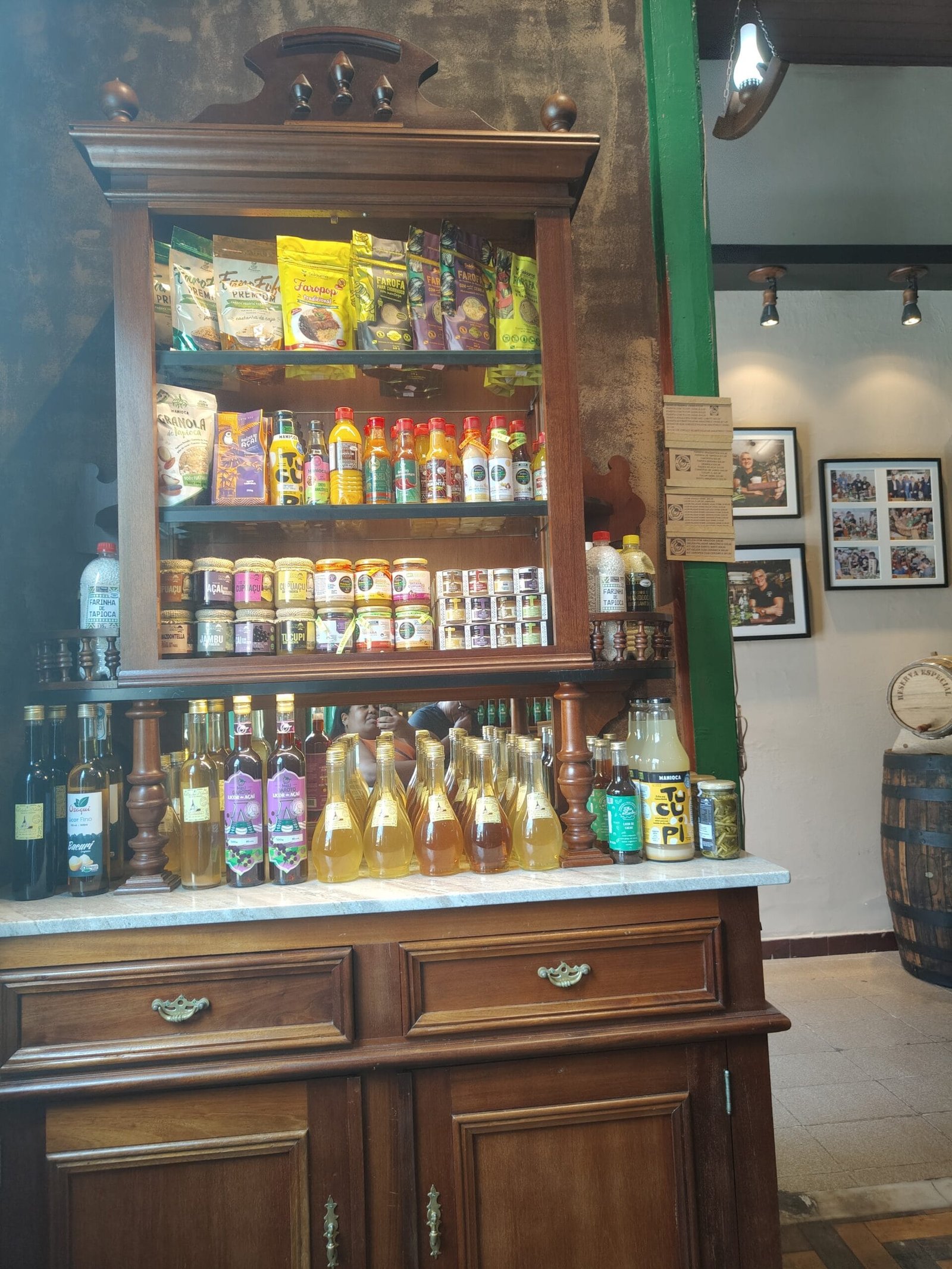
Cachaçaria Meu Garoto in Belém: history, jambu cachaça and a complete experience
Belém do Pará is one of Brazil’s most fascinating destinations for those seeking authentic cultural experiences. The city blends colonial history, Amazonian gastronomy, traditional markets and a unique identity that few places in the country possess.
Among the most curious places visited by tourists is the Cachaçaria Meu Garoto, a small bar and store that became famous for popularizing a very different drink: jambu cachaça.
If you’re planning to visit the capital of Pará, this place can be a fun, curious and extremely local experience.
In fact, before putting together your itinerary, we recommend starting with the main guide to the city:
Belém do Pará: Complete Guide to the Route, Gastronomy and Amazonian Culture
Quick summary: Cachaçaria Meu Garoto
| Information | Details |
|---|---|
| Location | Rua Senador Manoel Barata – Belém |
| Type of place | Amazonian cachaça bar and store |
| Specialty | Jambu rum |
| Visiting time | 10 to 20 minutes |
| Average price | R$10 to R$40 |
| Best time | Afternoon or early evening |
| Is it worth it? | Yes – Amazonian cultural experience |
| Website | https://meugaroto.com.br/ |
Video: what it’s like to visit Cachaçaria Meu Garoto
The history of Cachaçaria Meu Garoto
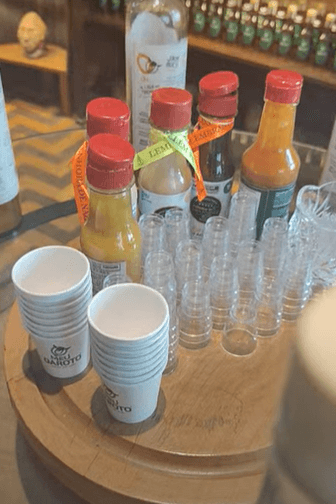
The brand’s history began in 1994, when businessman Leodoro Porto bought a small bar in Belém called Meu Garoto.
Initially, it was just a simple bar frequented by locals. Over time, however, the owner began experimenting with mixtures using Amazonian ingredients.
During an edition of the Círio de Nazaré, one of the biggest religious festivals in the world, the idea of mixing cachaça with jambu came up.
The result was unexpected.
The Amazonian plant causes a sensation of numbness and tingling in the mouth, creating a different sensory experience.
The drink quickly became a curiosity among locals and tourists alike.
Over the years, the bar has become a nationally known brand.
What is jambu?
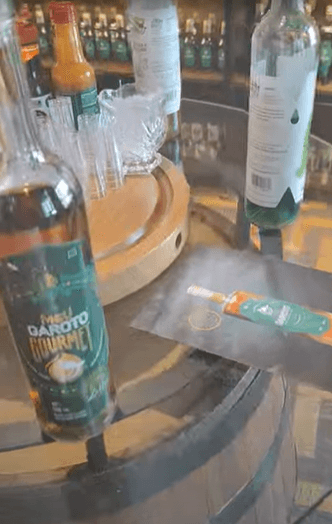
Jambu is a typical Amazonian plant that is widely used in Pará cuisine.
It appears in famous dishes such as:
- tacacá
- duck in tucupi
- Amazonian broths
The plant contains a substance called spilanthol, which is responsible for the mild anesthetic effect in the mouth.
This effect is precisely what makes the drink so curious.
Where Cachaçaria Meu Garoto is located
The cachaçaria is located in the historic center of Belém, close to several tourist attractions.
Among them:
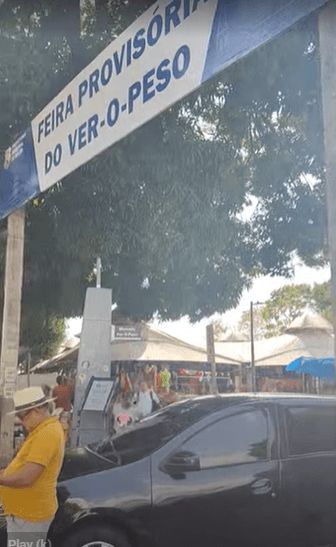
- Ver-o-Peso Market
- Peace Theater
- Docks Station
- Mangal das Garças
What to include in your Belém itinerary
A good strategy is to visit the site during a stroll through the historic center.
Half-day itinerary
Morning
- Ver-o-Peso Market
- Açaí Fair
Afternoon
- Docks Station
- Cachaçaria Meu Garoto
- Peace Theater
Night
Where to stay in Belém
If you want to explore the historic part of the city, it’s worth staying near the center or in the Nazaré district.
See accommodation options:
One hosting we have already tested is:
Grand Mercure Belém – our experience
Is it worth a visit?
Yes. Cachaçaria Meu Garoto is not just a bar, but a piece of Amazonian culture.
For those who like local flavors and different experiences, the visit is usually quite interesting.
Common mistakes when visiting
- Going just to buy a drink
- Don’t try jambu
- Visiting in a hurry
- Do not combine with other attractions
FAQ – Frequently asked questions
Where is Cachaçaria Meu Garoto?
In the historic center of Belém.
Do you have to pay to get in?
No. Admission is free.
How much does jambu cachaça cost?
Prices vary between R$30 and R$120 depending on the bottle.
How strong is the effect of jambu?
No. It’s just a slight tingling in the mouth.
Is it safe to drink?
Yes, it’s a traditional drink in the region.
Is it worth buying as a souvenir?
Yes. Many tourists take it home with them.
How long does the visit last?
Between 30 and 60 minutes.
Is there a tasting?
In some cases, the attendants offer small tastings.
Plan your trip with discounts and strategy
To organize your trip safely and save money, I always use these tools that I have tested and recommend:
And our guide to Brazilian destinations
Traveling well isn’t luck. It’s planning.
About The Author