
Where to Stay in Rome on Your First Trip: Best Neighborhoods and Tips
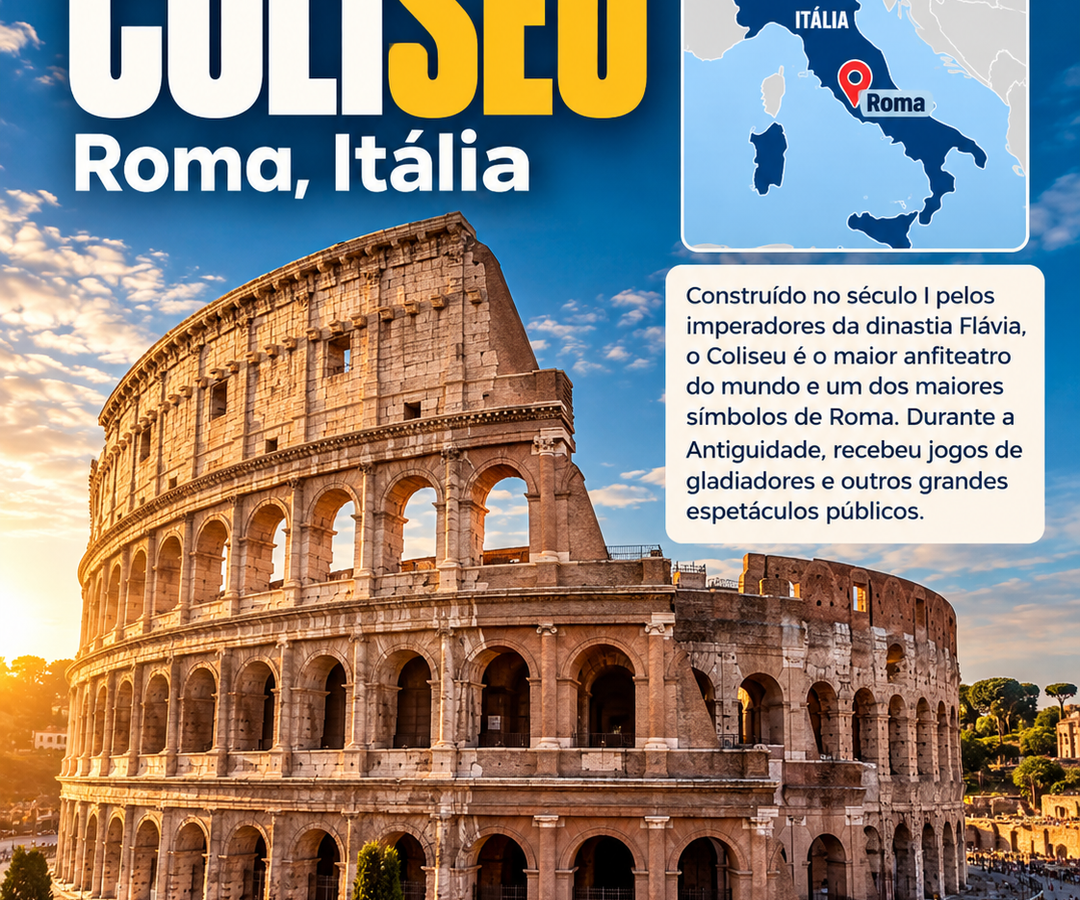
On a first trip to Rome, the Centro Histórico is an excellent base for exploring attractions on foot, while Monti makes it easier to visit Ancient Rome. Prati works very well for those planning to visit the Vatican and looking for a more residential atmosphere. Trastevere appeals to travelers who value restaurants and lively evenings, while the area around Termini is practical for those relying on trains.
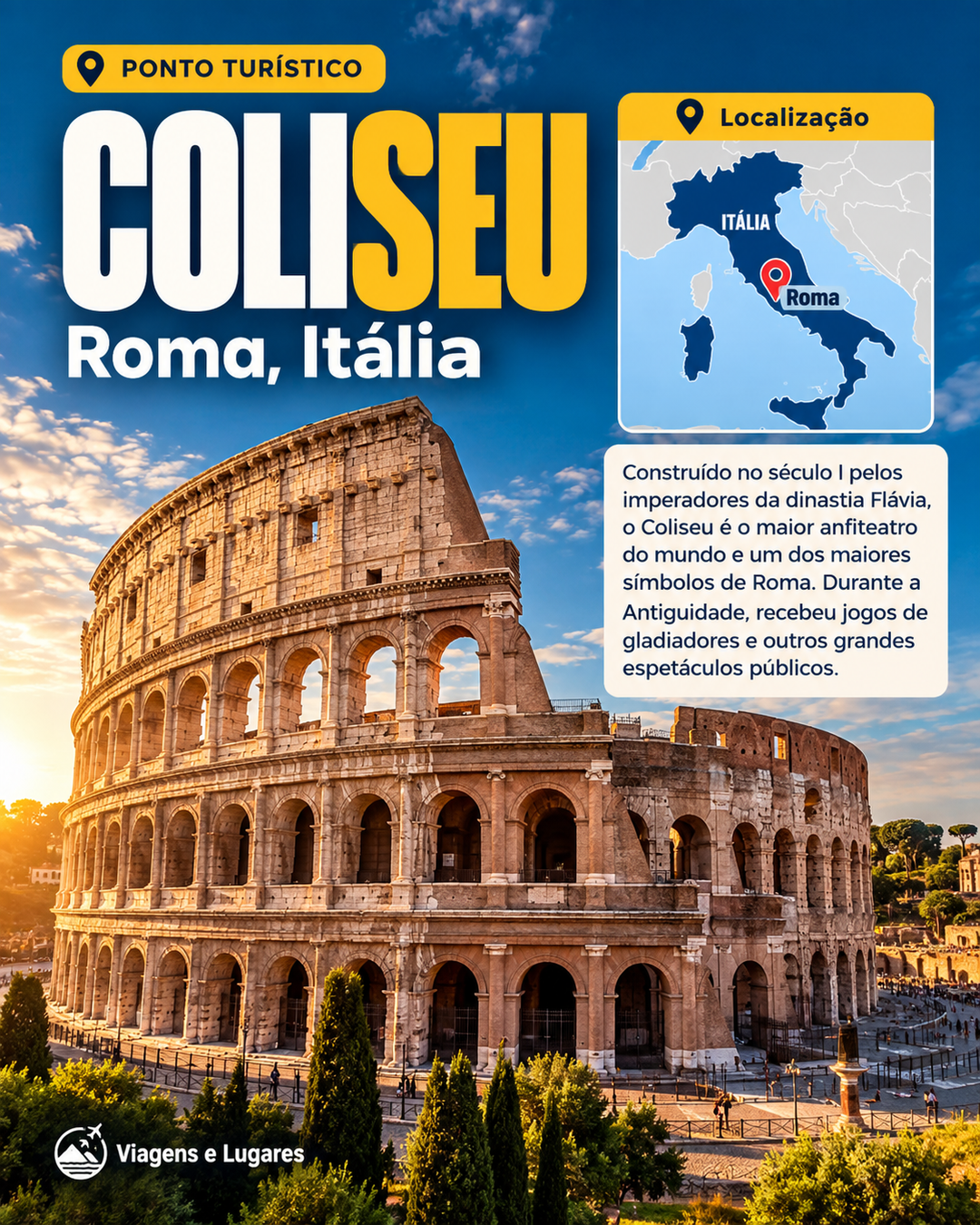
Where to stay in Rome: a quick overview to help you decide
Is it worth it? Yes, when your choice matches your budget, available time, and interests. Avoid booking or buying on impulse alone: location, transport, and actual travel time can significantly affect the experience.
| Option | Best for | Point to consider |
|---|---|---|
| Centro Histórico | First trips and attractions on foot | Price and busy streets |
| Monti | Colosseum, Forum, and bars | Hills and noise on some streets |
| Prati | The Vatican and a quieter stay | More travel to other attractions |
| Trastevere | Restaurants and nightlife | No metro in the historic core |
| Termini | Trains, the airport, and budget | Significant differences from one street to another |
Centro Histórico: convenient for seeing Rome on foot
The area around Piazza Navona, the Pantheon, and the Trevi Fountain is sought after by those who want to explore Rome on foot. For a short first stay, the time saved is a strong advantage, since many attractions are close to one another. Hotels in this area tend to charge more for their location, and some streets can be very busy.
Practical tip: If you want to go to bed early, look for rooms with good soundproofing. Also remember that some hotels are in historic buildings with small elevators or stairs.
Monti: a good base for the Colosseum and Roman Forum
Monti is an interesting area for combining visits to Ancient Rome with cafés and restaurants. Travelers who want to visit the Colosseum and Forum early may appreciate staying nearby, especially if they have already bought a timed-entry ticket.
Practical tip: Check the exact street, as some sections are steep. Being close to metro stations makes it easier to reach other areas, but hotels near bars may experience nighttime activity.
Prati: a good choice for visiting the Vatican
Prati is a convenient base for visiting the Vatican Museums, St. Peter’s Basilica, and the surrounding area. The neighborhood has shopping streets and an atmosphere that differs from the tourist heart of Ancient Rome. It is appealing to travelers looking for more conventional hotels or wanting to avoid some of the busiest areas.
Practical tip: The downside is that attractions such as the Colosseum and Forum may require more travel. Check the distance to stations and organize your days by area.
Trastevere: character and restaurants
Trastevere is known for its old streets, squares, and dining options. It can be a great choice for couples and travelers who want to go out at night and dine close to their accommodation. On the other hand, the heart of the neighborhood does not have the same metro access as other areas.
Practical tip: If you plan to leave very early for distant attractions or travel with several bags, check the complete route. It is also worth reading recent reviews about nighttime noise.
Termini and Esquilino: convenient rail connections
Those arriving by train, planning day trips, or needing to leave early for the airport may benefit from staying around Termini. The station offers urban and rail transport connections. There are hotels in different price ranges, but the atmosphere varies considerably from one street to another.
Practical tip: Read up-to-date comments about lighting, getting around, comfort, and reception. The location near the station should not be the only criterion when deciding.
Where to stay in Rome with children
For families, prioritize easy access to the hotel, an elevator, suitable rooms, and transport connections. Centro Histórico and Prati may be interesting options, depending on your itinerary. A hotel close to attractions is not always convenient if entering it requires climbing stairs.
Practical tip: Plan breaks, especially in summer, and avoid scheduling distant activities on the same day. Logistics may matter more than the most famous location.
Where to stay in Rome for couples
Centro Histórico suits a romantic trip centered on walks and restaurants. Monti offers an urban experience close to ancient attractions, while Trastevere appeals to those looking for lively evenings. Prati is an alternative if the couple prefers relatively quiet streets.
Practical tip: The best option depends on your pace: if you like returning to the hotel in the middle of the day, staying close to your priority attractions offers a significant advantage.
How to save money without choosing the wrong hotel
The key is to compare the total rate, tourist taxes, cancellation policy, transport, and location. A cheaper hotel may require many metro or taxi rides. Also check whether breakfast is included and whether the climate control is suitable for the season.
Practical tip: Rates depend heavily on dates and events. It would not be accurate to set an average price that represents the entire year. Compare accommodations for the exact period of your trip.
A practical three-day itinerary in Rome
On the first day, combine the Colosseum, Roman Forum, and Palatine Hill. On the second, explore the Pantheon, Piazza Navona, and the area around the Trevi Fountain. On the third, plan a visit to the Vatican and its surroundings. To avoid unnecessary travel, choose your accommodation based on which days will be the most demanding.
Practical tip: Book attractions with timed entry in advance and check official conditions before buying tickets.
Common mistakes when booking a hotel in Rome
Avoid choosing a hotel based only on price or on its apparent proximity to the Colosseum on the map. Check stations, noise, stairs, the address, and recent reviews. Also do not overlook late-arrival rules or the tourist tax that may be charged depending on the accommodation.
Practical tip: Another mistake is planning an itinerary that crosses the city several times in one day. Grouping attractions by area makes your stay much more enjoyable.
Checklist before booking or organizing your sightseeing
- Check the date, duration, and exact location of the experience you have chosen.
- Compare the full cost: accommodation or admission, transport, fees, and meals.
- Check updated hours, possible closures, and cancellation conditions.
- Consider accessibility, luggage, and getting around with children or on rainy days.
- Allow some extra time and have an alternative plan for unexpected situations.
Other Viagens e Lugares articles to help plan your trip
Continue planning with our related guides:
- How to visit the Colosseum, Forum, and Palatine Hill
- The Vatican and Sistine Chapel: how to visit
- European destinations guide
- Naples and Pompeii itinerary
Centro Histórico: is it worth paying extra to sleep near the attractions?
Those staying in Centro Histórico can walk between the Pantheon, Piazza Navona, the Trevi Fountain, and other attractions. This reduces the need for transport and makes it possible to return to the hotel to rest. The benefit is especially significant on a short trip, when each journey takes up an important part of the day. At the same time, hotels near famous areas may have high rates, and streets can remain busy into the evening.
Compare the final nightly rate with a nearby alternative close to a well-connected station. If you plan to explore the center on foot almost every day, a moderate difference may make sense. But savings are not guaranteed: check noise, stairs, room size, and whether reception operates at the time of your arrival.
Monti: urban charm with access to Ancient Rome
Monti combines bars, cafés, and a neighborhood atmosphere with proximity to some of the attractions of Ancient Rome. It can be a very interesting choice for travelers who want to visit the Colosseum and Roman Forum while still having restaurants within walking distance. Some streets are steep, and the neighborhood does not offer the same experience on every block.
Before booking, simulate the route to the Colosseum entrance and to the metro station you plan to use. If the hotel is on a street with nighttime activity, read reviews about soundproofing. In Rome, a seemingly central location may involve more uphill walking than the map suggests.
Prati and the Vatican: where to stay for visiting the museums
Prati is a practical alternative for those who want to focus on the Vatican Museums, St. Peter’s Basilica, and the surrounding area. The neighborhood has commercial avenues and hotels that may appeal to travelers looking for more conventional amenities. At the same time, staying near the Vatican does not mean being just a few minutes from the Colosseum.
If you plan to visit the Vatican Museums on a morning with a reserved ticket, staying nearby may make planning easier. Afterward, organize transport to the ancient center and to more distant areas. Your choice should take all travel time into account.
Trastevere: best for those who want restaurants?
Trastevere appeals to those who enjoy walking through historic streets and going out to dinner in lively areas. It is very popular with couples and travelers interested in food. However, the heart of the neighborhood does not have the same direct metro coverage as other parts of the city, and nighttime activity can create noise.
Check the actual route between the hotel, transport stops, and planned attractions. Do not choose a place simply because you saw beautiful photos of a square. If you are leaving early for museums with timed entry, calculate the necessary travel time and check whether you will depend on buses or taxis.
Termini: savings and transport, or a problematic location?
The area around Termini station can be useful for those arriving by train, planning rail journeys, or needing airport connections. The advantage is reducing the effort required on the first and last days. However, the surrounding streets offer very different realities and should be assessed individually.
Look for recent reviews about cleanliness, noise, comfort, and the route to the station entrance. Proximity to an important transport hub does not guarantee that every address will be convenient. Prefer accommodation with an organized reception and simple access, especially for nighttime arrivals.
Esquilino and San Giovanni: alternatives to compare
Areas such as Esquilino and San Giovanni may offer other accommodation options, with transport access and different hotel categories. They are worth researching when rates in Centro Histórico are high. The key is not to confuse a cheaper hotel with a solution that is necessarily more practical.
Check the nearest station and how many changes will be needed to reach the Colosseum, the Vatican, and the historic center. If the difference in the nightly rate is small, a location closer to the activities you actually want to do may be worthwhile.
Rome in three days: how accommodation affects your itinerary
On a three-day trip, a useful split is to set aside one day for the Colosseum, Forum, and Palatine Hill, another for the Pantheon, Piazza Navona, and the Trevi Fountain, and another for the Vatican. The order depends on tickets and opening days. A central base can make walking easier, but areas near metro stations can work well too.
Do not combine distant attractions just to use an available ticket. Plan by area, allow time for queues, and include breaks for meals and rest. The hotel should support this circuit rather than force you to cross the city repeatedly.
Rome in five days: when to stay outside the most expensive area
With four or five days, you can enjoy the city more fully and spread out your visits. This creates room to look for hotels a little farther from the central tourist area, provided they have good connections. Travelers who enjoy walking can alternate a museum day with days spent exploring neighborhoods and squares.
If you usually return to your room in the middle of the day, prioritize easy access. Cheap accommodation far away can become tiring when you have to make round trips twice a day.
How much does public transport cost in Rome in 2026?
The operator ATAC lists a BIT ticket at € 1.50, valid for 100 minutes and subject to the conditions of use, and a Roma 24H ticket at € 8.50. The operator also advertises a weekly CIS pass for € 29. These prices help compare the need for transport, but should not be treated as a mandatory expense for every tourist.
If you do most of your sightseeing on foot, you may buy only a few individual tickets. If you use several forms of transport on the same day, check the available options and integration rules. Also check the validity on the stations and lines you plan to use.
Transport passes: when are they worthwhile?
A daily pass can make getting around easier for those planning many journeys, but buying an unlimited product unnecessarily can increase costs. Make a list of your planned trips and compare the price of individual tickets with the corresponding pass. ATAC publishes information about tickets and contactless payment.
Do not assume that every urban ticket includes a special airport transfer. Transport from Fiumicino and Ciampino has specific conditions, and the hotel you choose may require a different service from the one you had planned.
How to get from Fiumicino Airport to your hotel
Fiumicino has rail connections and other transport options to Rome. The ideal route depends on the neighborhood: those staying near Termini can research rail connections to the station, while those staying in the Vatican or Trastevere should compare connections and the final leg. Prices and journey times vary according to the service and time of day.
Before booking accommodation, confirm which airport is listed on your ticket and whether the hotel allows check-in at your arrival time. With large bags, a walk of just a few blocks over uneven pavement can be more tiring than it seems.
How to get from Ciampino Airport to your hotel
Ciampino is a different airport from Fiumicino and has its own connections. Check buses, ground transport options, and possible combinations with the urban network. Do not buy a transfer intended for Fiumicino assuming it will serve both airports.
Confirm the arrival and departure airports on your ticket, as the codes may differ. For very early flights or arrivals after midnight, research transport and reception hours before booking.
Hotels in Rome with children: what to prioritize
Families should consider elevators, room size, climate control, the possibility of an extra bed, and access to stations. A hotel in the center can reduce travel, but it is not ideal if it is in a building with many stairs. Prati and well-connected areas may also be interesting, depending on your itinerary.
Plan breaks and choose only a few timed attractions per day. With children, a comfortable base is often worth more than saving a small amount and facing long, tiring journeys.
Rome for couples: central location or atmosphere?
A romantic trip can benefit from evening walks near Piazza Navona and the Pantheon, while Trastevere offers restaurants and a different neighborhood atmosphere. Monti suits those who want to be close to ancient attractions without giving up cafés and bars. The choice should balance budget and the couple’s routine.
Do not focus exclusively on a hotel with a view. Comfort, quiet, and the ease of returning after dinner may matter more than a photogenic window.
Rome for solo travelers
Traveling alone allows you to adapt your schedule, but a well-located accommodation makes a big difference. Look for clear access to transport, a reception desk or reliable check-in instructions, and a return route you can follow comfortably. Hotels and hostels meet different needs in terms of budget and privacy.
Read recent reviews, especially about cleanliness, hours, circulation, and the perceived safety of the street. As in other tourist destinations, protect your documents and belongings in crowded areas and do not accept informal transport services.
How much does it cost to stay in Rome?
Prices vary according to the season, events, hotel category, and how far in advance you book. There is no single nightly rate for Centro Histórico, Monti, or Termini that represents an entire season. Comparisons need to consider the total price for your dates and the level of comfort provided.
Remember to check any tourist taxes that may be charged according to the accommodation category. Also check breakfast, cancellation, air conditioning, and elevator access. A low initial rate may increase when fees appear at the final stage of booking.
Comparing hotel rates: an educational example
Imagine three hypothetical hotels for four nights: one in the center at € 170 per night, another in Monti at € 145, and one near a station outside the tourist core at € 110. The base totals would be € 680, € 580, and € 440, before taxes. These figures are calculation examples, not current quotes from real establishments.
Now add transport to the attractions, possible taxi rides, time spent traveling, and the cost of getting from the airport. A distant room may save money on accommodation, but the decision should take into account comfort and what you want to do in Rome.
Hotel or apartment in Rome?
An apartment may offer a kitchen and useful space for longer stays or family trips, but it may have stairs, cleaning fees charged separately, and strict access hours. Hotels generally offer reception and luggage storage, although services vary by category. Neither option is automatically better.
Compare the total cost and how easy it is to arrive with luggage. Accommodation in a historic building should state whether there is an elevator and how check-in works. A room photo does not reveal the logistics of getting to the building.
Where to stay to visit the Colosseum early
If you have a timed ticket for the Colosseum early in the morning, Monti and nearby areas may make the journey easier. However, a well-connected central hotel may also work for that schedule. What matters is the route to the correct entrance and the amount of time needed for security checks and boarding.
Confirm official tickets and rules. Avoid buying guided visits from intermediaries without understanding what is covered, especially when the product includes the Colosseum, Forum, and Palatine Hill under different arrangements.
Where to stay to visit the Vatican early
Prati is a convenient base for those prioritizing the Vatican Museums and St. Peter’s Basilica. However, a hotel in Trastevere or near a station may also work if transport is well planned. Check timed-entry details and the exact access point to the museum.
Museum tickets and the rules for visiting the basilica should not be confused. Use each site’s official information before buying add-ons or planning the day.
Common mistakes when choosing a hotel in Rome
Avoid booking based only on map distance, overlooking steep streets, or comparing prices without taxes. It is also risky not to check the airport, arrival station, and whether the building has an elevator. An area recommended by other travelers may not suit your profile.
Read reviews from people with similar needs, compare transport from the airport, and check whether reception operates at night. A brief search before booking can prevent extra expenses and unnecessary strain.
Final checklist: how to choose your accommodation
Shortlist the hotels and compare the total rate, address, route to the Colosseum and Vatican, access from the airport, and recent reviews. Mark which attractions you plan to visit on foot and which will require the metro or bus. Also consider noise, climate control, elevator access, and booking flexibility.
The best neighborhood in Rome is the one that reduces the overall effort and allows you to enjoy the activities you want. Neither the most expensive hotel in the center nor the cheapest room near the station is automatically the better choice.
Table: Rome neighborhoods by trip type
| Profile | Area to compare | Point to consider |
|---|---|---|
| First trip | Centro Histórico and Monti | Nightly rate and access |
| The Vatican | Prati | Travel to the Colosseum |
| Food and bars | Trastevere | Noise and transport |
| Train travel | Termini and Esquilino | Exact street |
| Budget travel | Well-connected areas outside the center | Travel time |
More guides for your trip through Italy
See Pompeii independently or with a guide, Milan and Lake Como, Venice or Mestre and how to get from Venice Airport to your hotel. Also enjoy our Europe guide.
Accommodation and attractions with partners
The links are affiliate links and may generate a commission for Viagens e Lugares, with no guarantee of the lowest price. Compare conditions and rates before booking.
- Search for hotels in Rome
- Search for tickets and tours on Civitatis
- Search for guided tours on GetYourGuide
- Search for flights to Italy
Frequently asked questions
What is the best neighborhood to stay in Rome for a first visit?
Centro Histórico is an excellent choice for those who want to visit famous attractions on foot. Monti also works well, especially for travelers prioritizing the Colosseum and Roman Forum.
Is it worth staying near Termini?
Yes, especially for travelers who will use trains or need convenient access to transport. Research the exact street and recent reviews before booking.
Is Trastevere a good place to stay?
It is interesting for those who enjoy restaurants and lively evenings. However, the neighborhood requires attention to transport access and possible street noise.
Which area should I choose to visit the Vatican?
Prati is a very practical option for visiting the Vatican Museums and St. Peter’s Basilica. To see all of Rome, also consider how you will reach the other points on your itinerary.
Official sources to check before your trip
Prices and opening hours may change. Consult the official channels to confirm details for your dates:
Editorially updated in November 2026. This guide was prepared based on research and planning; we do not attribute unconfirmed personal experiences to the authors.
About The Author


