
Rome Night Tour: Trevi Fountain, Pantheon and Piazza Navona
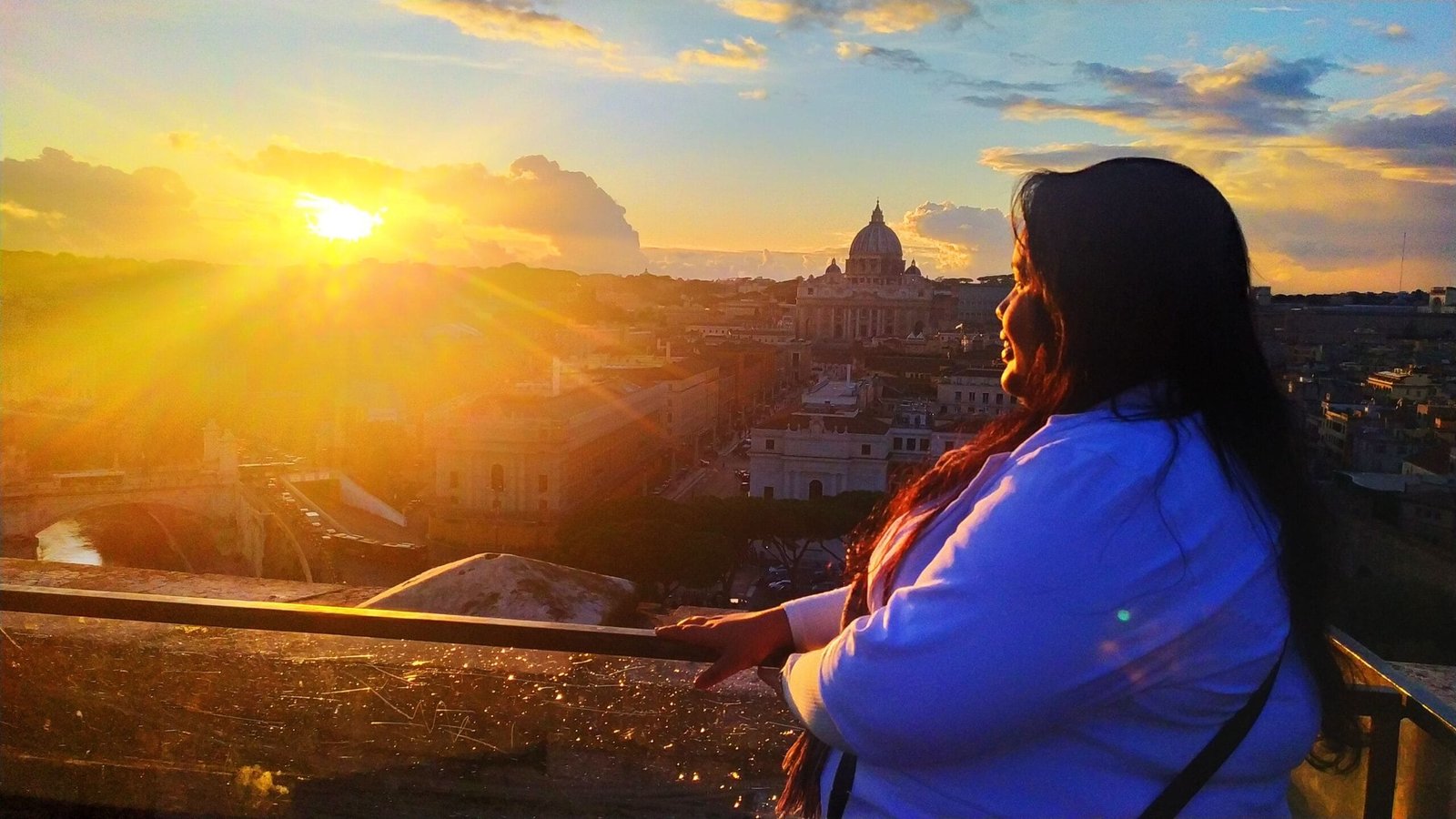
Rome takes on a different atmosphere after dark, and an evening walk through the Historic Centre offers the chance to see illuminated squares and monuments. Below, you will find a practical analysis of the available options, booking considerations, logistics and itinerary tips, based on information consulted in November 2026.
This article contains affiliate links. We may receive a commission from bookings made through them, at no extra cost to the reader. This guide is for informational purposes and does not constitute a first-hand account by the authors.
Tour summary
- Two- to two-and-a-half-hour walk
- In-person guide in Spanish — not Portuguese
- Meeting point at Piazza di Spagna and end point at Piazza Navona
- Free cancellation up to 48 hours in advance, according to the offer
- Transport not included; not wheelchair accessible
Check options, prices and availability on Civitatis
What does the evening tour include?
Civitatis’ itinerary is a guided walk in Spanish through Rome’s best-known streets and squares. Trevi Fountain, the exterior of the Pantheon and Piazza Navona are among the highlights. Do not assume that entry to the interiors of monuments is included: the aim is to see the city illuminated and learn about its historical context.
Trevi Fountain at night
The fountain is one of Rome’s great Baroque landmarks and usually attracts many visitors. The lighting highlights its volumes and sculptures, but that does not mean it will be empty. Keep an eye on your belongings and respect any access barriers, which may vary according to local management.
The Pantheon of Agrippa at night
The Pantheon offers a chance to admire its monumental façade in a different atmosphere from a daytime visit. The evening tour should not be confused with a ticket to visit the building’s interior. If you want to see the dome from inside, set aside another part of your trip and check the visiting rules.
Piazza Navona as the final stop
Piazza Navona is a good place to end the walk, admire the architecture and continue the evening at a relaxed pace. Avoid booking dinner for the exact advertised end time. The time needed to leave the group, walk to the restaurant and find your table may vary.
Language: is Spanish a limitation?
It depends on the traveller. Those who understand Spanish can enjoy the historical explanations, but people who prefer Portuguese should know that it is not the advertised language. The similarity between Portuguese and Spanish should not be used to market the activity as bilingual.
Planning to book? Check the final price and terms on Civitatis.
Is it better to explore independently?
It is perfectly possible to visit these squares independently. A guide adds context and an organised sequence, while exploring on your own allows more time for photography or a coffee. Compare the final cost of the experience with what you are looking for on an evening during your trip.
Is it worth booking?
The choice should depend on your available time, budget and what you want to see. An organised tour may reduce the effort involved in planning transport and explanations, but it is not necessarily better than exploring the city independently. Before booking, compare the duration, language, cancellation policy and what is actually included.
How to check the current price
Prices advertised on travel platforms vary according to the date, number of people, options and temporary offers. For this reason, check the final price for the selected session rather than relying on an old promotion. Also compare the cost of getting there, any tickets not included and possible differences in cancellation policies.
How to fit it into your Rome itinerary
Organise the city by area and avoid scheduling two activities with fixed times too close together. Visiting the Colosseum and exploring the Vatican may each require a full period of the day; squares and walks are more flexible. Leave room for traffic, walking, meals and operational changes.
How to avoid delays at the meeting point
Read the voucher received after booking and mark the exact address on the map, not just the name of a well-known monument. Bear in mind that finding the group or stop may take extra time. If there are roadworks or events, check the operator’s notices and the actual route before setting out.
Is it suitable for families?
Families should consider the participants’ ages, walking ability, duration and the ease of taking breaks. An experience that is very interesting for adults may be tiring for young children. If there are age or equipment restrictions, those rules should take precedence over a general recommendation.
Accessibility and comfort
Accessibility conditions vary according to the vehicle, route, option and operator. Never assume that a tour is accessible simply because the attraction is in the city centre. When a mobility requirement is essential, confirm the conditions and any adaptations directly with the service provider.
Planning to book? Check the final price and terms on Civitatis.
Best time to take the tour
The weather affects the Rome experience. In summer, heat, sun exposure and tourist crowds may require breaks; in winter, shorter days and rain affect timing and comfort. The best session is the one that fits your actual availability and the rest of your itinerary, not a promise of finding the attractions empty.
What to bring
Keep your electronic voucher accessible and bring identification when required, a charged phone, water where permitted and clothing suitable for the weather. Comfortable shoes make a difference on walking tours. Avoid unnecessary suitcases or bags, especially in groups and at entrances subject to checks.
How to choose between a guided and independent tour
Guided tours provide context and organisation, but follow set itineraries and paces. An independent visit offers more freedom and may cost less, although it requires research. The best value depends on your interest in explanations, comfort with languages and how much logistical effort you are willing to take on.
The most common booking mistakes
Do not confuse an advertisement for an exterior view with an interior admission ticket, or a recorded audio guide with an in-person guide. Read the language carefully and check the option, especially when products with different durations are available. Pay attention to the cancellation policy and meeting point: these details are just as important as the price.
Safety and planning tips
Use reputable booking channels, keep your confirmation and avoid buying from informal sellers under pressure. In busy places, keep an eye on your belongings and follow staff instructions. Do not turn a tour into a race to tick off a list of attractions: comfort and context are part of the experience.
Before completing your purchase
Review the date, time, participants, language, inclusions, meeting point and cancellation policy. Then compare the tour with the commitments you have already made. If anything important is unclear, seek clarification before paying. A coherent itinerary avoids most logistical problems.
Planning to book? Check the final price and terms on Civitatis.
Frequently asked questions
Is it worth booking in advance?
If your travel date is set, booking allows you to check the times, terms and instructions. Availability is not guaranteed until the booking is confirmed.
Are attraction tickets included?
Only when the option specifically states that they are included. Read the summary and do not assume admission to museums and monuments viewed from the outside.
How does cancellation work?
Check the deadline stated in the offer, which is generally subject to conditions based on the product and option. Do not compare different tours as if they had identical policies.
Plan other things to do in Rome
- Things to do in Rome
- Guide to the Colosseum, Forum and Palatine Hill
- Vatican Museums and Sistine Chapel
- Where to stay in Rome
Commercial source: activity description on Civitatis. Review times, languages, price and meeting point on the booking date.
About The Author


