
Castel Sant’Angelo in Rome: Guided Tour, Terrace and Tickets
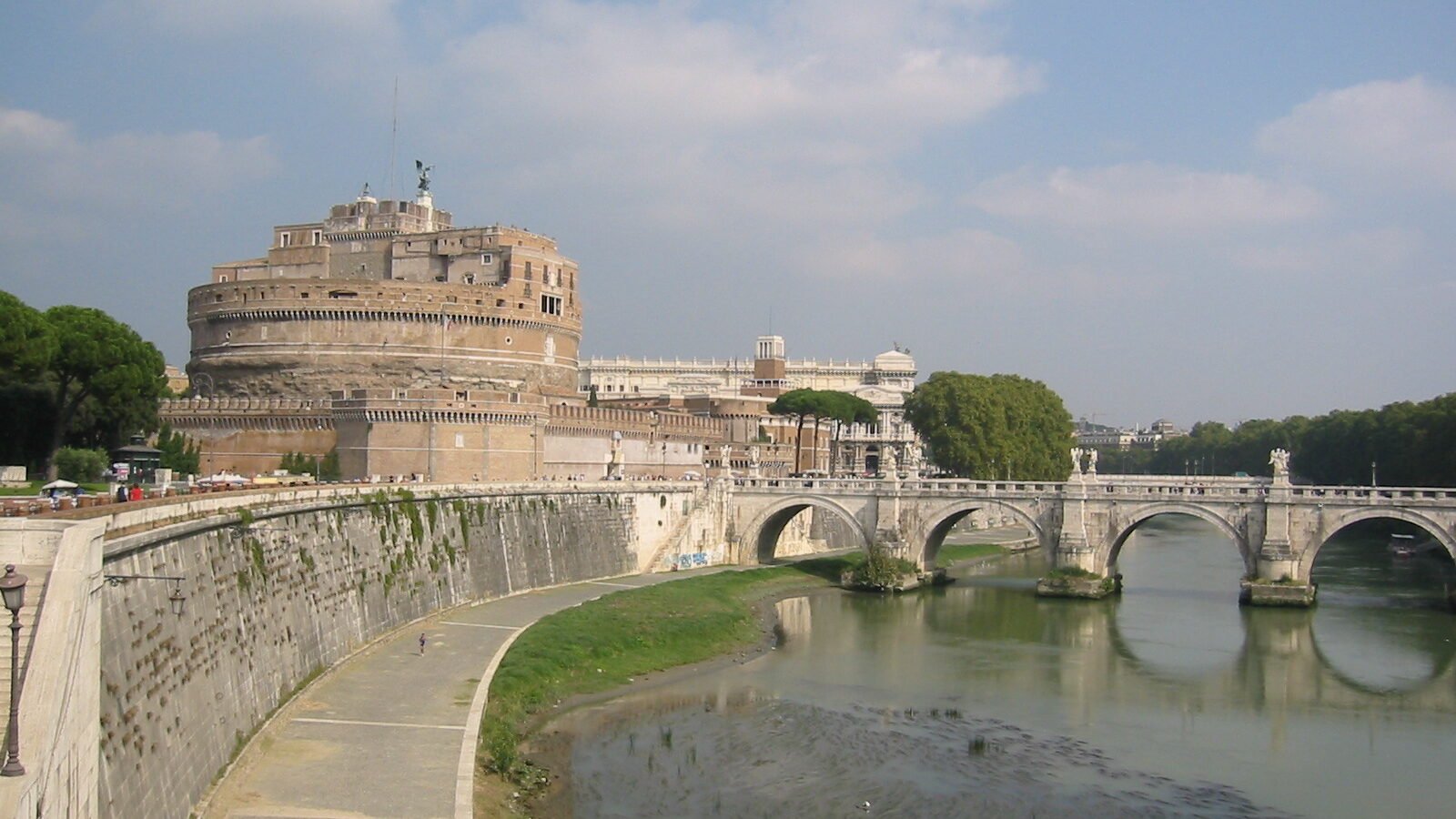
Castel Sant’Angelo is much more than a fortress near the Vatican: it began as an imperial mausoleum and was later transformed into a refuge and defensive structure. In this Viagens e Lugares guide, we explain how the experience works, what is included, the restrictions and the best way to fit it into your itinerary. The conditions below were checked in November 2026 and should be confirmed before payment.
Editorial transparency: we may receive a commission for bookings made through affiliate links, at no additional cost to the reader. This content was prepared using public sources and does not claim personal participation in the tour.
Tour summary before booking
- Duration: 3 hours
- Language: Spanish
- Inclusions: Spanish-speaking guide and admission to Castel Sant’Angelo
- Meeting point: entrance to Castel Sant’Angelo, next to the bridge
- Cancellation: free up to 48 hours in advance
- Accessibility: not wheelchair accessible
Why visit Castel Sant’Angelo?
The castle brings together different layers of Rome’s history in a single monument. Originally built as the mausoleum of Emperor Hadrian and his family, it was transformed into a military structure, prison and space associated with the popes. As a result, the visit combines ancient architecture, fortifications and religious history. The terrace adds panoramic views that make it worthwhile even for those who already know St. Peter’s Basilica.
What does the Civitatis tour include?
The activity reviewed advertises admission to the castle, a Spanish-speaking guide, access to the terrace and a duration of approximately three hours. The meeting point is the entrance next to the bridge. The Spanish-speaking guide deserves emphasis: it would be incorrect to market this activity as though the explanations were in Portuguese. Civitatis allows free cancellation up to 48 hours in advance, subject to the published conditions.
Is the terrace worth visiting?
One of the central experiences of the tour is going up to admire Rome and the Vatican from an elevated viewpoint. The panorama helps put the proximity of the castle, the Tiber and St. Peter’s Basilica into perspective. The photographs are an attraction in themselves, but the view also adds to an understanding of the building’s strategic role. The experience may be affected by weather, conservation work and circulation rules.
Hadrian’s Mausoleum: the monument’s origins
Construction began in the 2nd century as an imperial funerary monument. The original cylindrical structure was gradually adapted, and the castle ceased to be merely a dynastic memorial. This transformation shows how Rome repurposed ancient buildings for different political and military needs. As you walk through the levels, look for the contrast between the Roman core and later additions.
From mausoleum to fortress
Over the centuries, walls and defensive structures changed the monument’s appearance. Its position near the Tiber and the center of papal power explains part of its strategic importance. A guided visit can provide context for these changes, but do not expect every space to preserve the same period. The castle’s richness lies precisely in the layering of its different uses.
Planning your trip? Check the activity’s updated opening hours and rules.
Is the Passetto di Borgo included?
The Passetto di Borgo is a historic elevated passage connecting Castel Sant’Angelo with the Vatican area. The Civitatis visit mentions this history, but that does not guarantee a walk through the corridor. If entering the Passetto is a priority, look for an option that explicitly describes access. Mentioning that a passage exists and including it in the tour are different services.
Castel Sant’Angelo and the Vatican on the same day
The geographical proximity makes this combination possible, but that does not mean everything can be done without rushing. The Vatican Museums have a separate entrance and require considerable time. St. Peter’s Basilica is also subject to security checks and celebrations. If the castle takes three hours with a guide, choose carefully which other attraction you want to visit during the same period.
How to get there
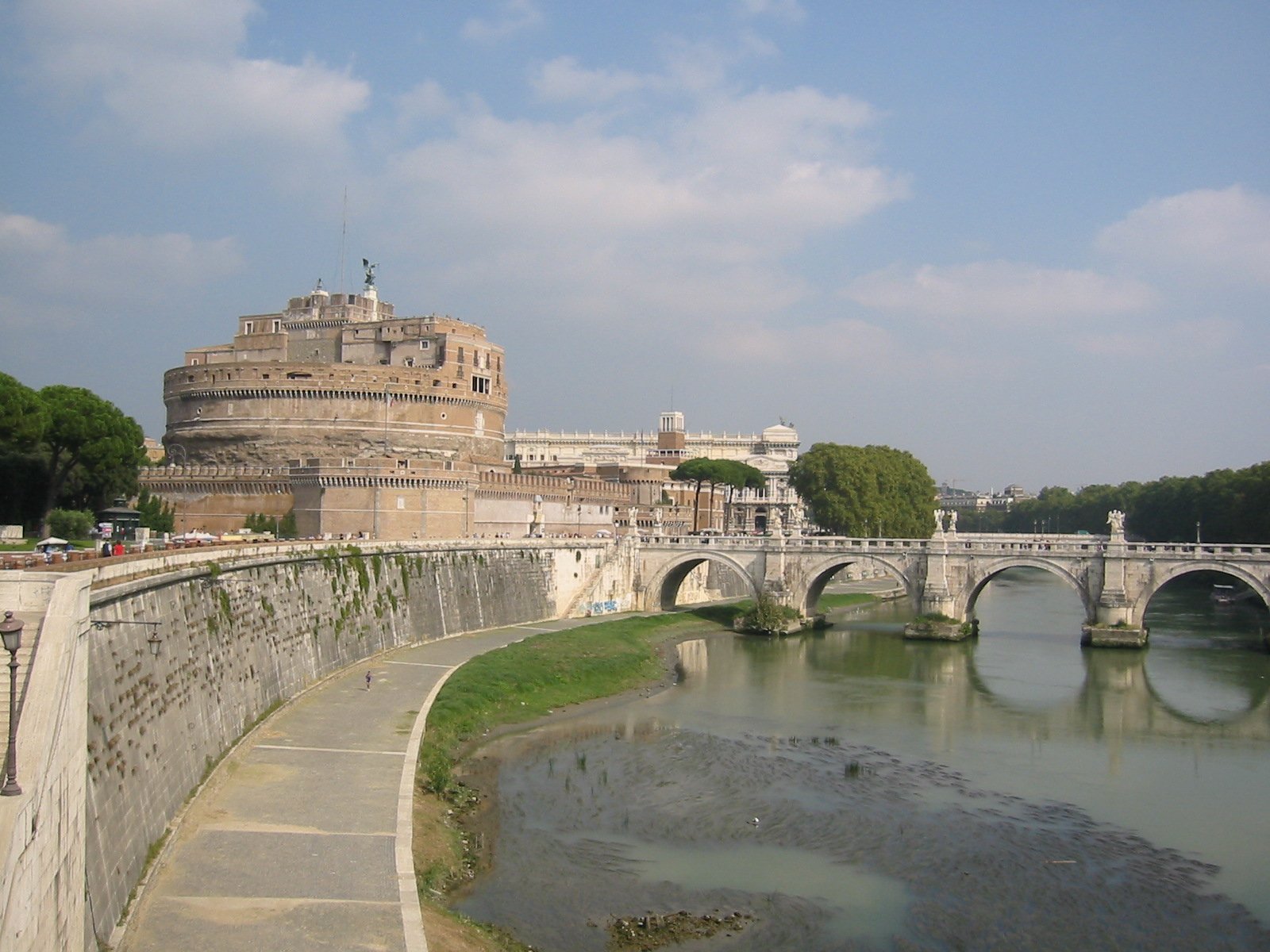
The castle stands on the banks of the Tiber, with Ponte Sant’Angelo as its main landmark. Use the meeting point shown on the voucher as the destination in your map app. If you are coming from the Vatican, you may consider walking, depending on the weather and your energy levels. Those arriving from Termini or other neighborhoods should check transport options and any disruptions. Reaching the bridge does not automatically mean you have found the guide.
Tour price and individual admission
Compare the final price of the guided tour with individual admission to the castle, if available on your intended date. The agency’s price includes professional service and organization, while the official ticket offers greater independence. Avoid presenting a variable price in Brazilian reais as though it were permanent. The best option depends on your interest in history and your comfort with the Spanish language.
Who is the tour suitable for?
People who enjoy complex historic monuments may appreciate the explanations of the castle’s changing functions. The itinerary also suits those who want to photograph Rome from the terrace without having to organize a visit on their own. Those who prefer to explore at their own pace or do not understand Spanish may choose an independent ticket or another service.
Accessibility and physical effort
The Civitatis product states that it is not wheelchair accessible. The castle has different levels, stairs and specific routes, and suitability should be confirmed with the museum for an independent visit. People who need frequent breaks should bear in mind that the group tour lasts around three hours.
Planning your trip? Check the activity’s updated opening hours and rules.
Children and families
The castle’s history may appeal to children who enjoy fortresses and ancient passageways, but the route requires attention when moving through elevated areas. Before booking, check the age requirements and tour conditions. Families may prefer a shorter, less in-depth visit, depending on the children’s energy levels.
What to look for inside
Look for differences between spaces associated with the mausoleum, military defense and papal presence. The decoration in certain rooms reveals changes in use and artistic taste over time. The castle is not a museum devoted to a single theme: its layout reflects layers of Roman history.
Best time for photography
The light may enhance views over the Tiber and the Vatican, but the tour time should be determined by actual availability. Avoid booking a session solely because you expect a sunset that has not been verified. When taking photographs, respect permitted areas, the movement of other visitors and the rules regarding equipment.
Where to eat afterward
The Borgo and Prati areas offer cafés and restaurants. Compare current menus, prices and the distance to your next attraction. After a long visit, you may prefer to take a break nearby rather than cross the city. Do not book a table for the exact minute the visit is scheduled to end.
What to note about cancellation
The activity advertises free cancellation up to 48 hours in advance. Shorter notice, late arrival or failure to show up may not qualify for a refund. Check the conditions at payment, especially if you are combining the tour with Vatican tickets for fixed time slots. Keep your voucher and allow extra time for transport.
Castel Sant’Angelo or the Vatican Museums: which should you choose?
The castle offers an experience connected to military, imperial and papal history, with particular emphasis on the views from outside. The Vatican Museums focus on art collections and the Sistine Chapel. If time allows, you can visit both, but they offer different experiences. Those who want to see Michelangelo should prioritize the museums; those who enjoy fortresses may prefer the castle.
Planning your trip? Check the activity’s updated opening hours and rules.
How to fit it into a three-day itinerary
One option is to combine Castel Sant’Angelo with a leisurely walk around the Vatican area on one of the days, leaving the Colosseum and Historic Center for other periods. The Vatican Museums’ time slot must be considered separately. Do not schedule multiple fixed-entry attractions without allowing time for travel between them.
Frequently asked questions
What language is the activity in?
Spanish. Also check the specific instructions for your session.
Is cancellation possible?
According to the offer reviewed: free up to 48 hours in advance. The final conditions are stated in the booking.
Does the tour include transport?
Do not assume that transport is included unless this is explicitly stated; arrange your own way to the meeting point.
Is the tour accessible?
Not wheelchair accessible. Anyone requiring adaptations should confirm with the operator.
Is it worth visiting independently?
It depends on your preference for independence, total cost, language and logistics. Compare tickets and transport before deciding.
Further reading on Viagens e Lugares
- Things to do in Rome
- Where to stay in Rome
- How to visit the Colosseum and Roman Forum
- Vatican Museums and Sistine Chapel
Tour source: Civitatis description and booking through our affiliate identifier. Check availability before purchasing.
About The Author


